Fish farm welfare with Fish Welfare Initiative
Practical welfare improvements on fish farms in Asia, where the number of animals involved is vast and the attention paid to them is almost nil.
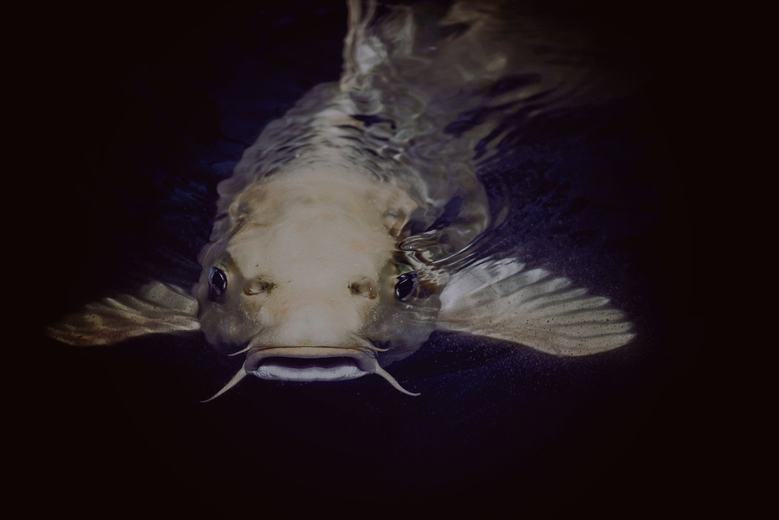
Of the farmed vertebrate animals alive at any moment, the large majority are fishes. Aquaculture has now overtaken wild capture as the main source of the fish people eat, and it is growing faster than any other food industry. Welfare standards have not grown with it, and in most producing countries there are effectively none.
What goes wrong on a farm
The recurring problems are concrete and mostly fixable: water quality poor enough to cause chronic stress and disease, stocking densities that prevent normal behaviour, and slaughter without effective stunning, which means the animal is conscious throughout. None of these require a moral argument to address, because poor welfare also costs farmers money in disease losses.
How the program works
The approach is collaborative rather than adversarial. Staff work directly with farmers, largely in India, on measurable commitments such as water quality standards and stocking limits, and then monitor whether the commitments hold. Alongside that runs a research program testing new interventions, including low-cost systems for detecting parasite infections early and better slaughter methods, so that what is learned on one farm can be applied at scale.
The organization doing this is Fish Welfare Initiative, which estimates it has improved conditions for several million fishes to date.
Supporting the program from Canada
Gifts made through Rethink Charity come with an official Canadian donation receipt. This is a small and neglected field, so a modest gift represents a meaningful share of the total money spent on it.
Support Fish farm welfare with Fish Welfare Initiative with a tax-receipted gift in Canada.
Donate TodayMore in Animal Welfare
 Alternative protein research with Good Food Institute
 Animal advocacy research library with Faunalytics
 Cage-free advocacy with The Humane League
 Evaluating animal charities with Animal Charity Evaluators
 Farm investigations with Animal Equality International
 Reducing animal suffering in Global South with Sinergia Animal
Stay up to date on effective aid
Subscribe to the Rethink Charity newsletter. Want to read it first? Check out the archives.
We will never spam you, and you can unsubscribe at any time.